


Did You Know These About Electric Vehicles?
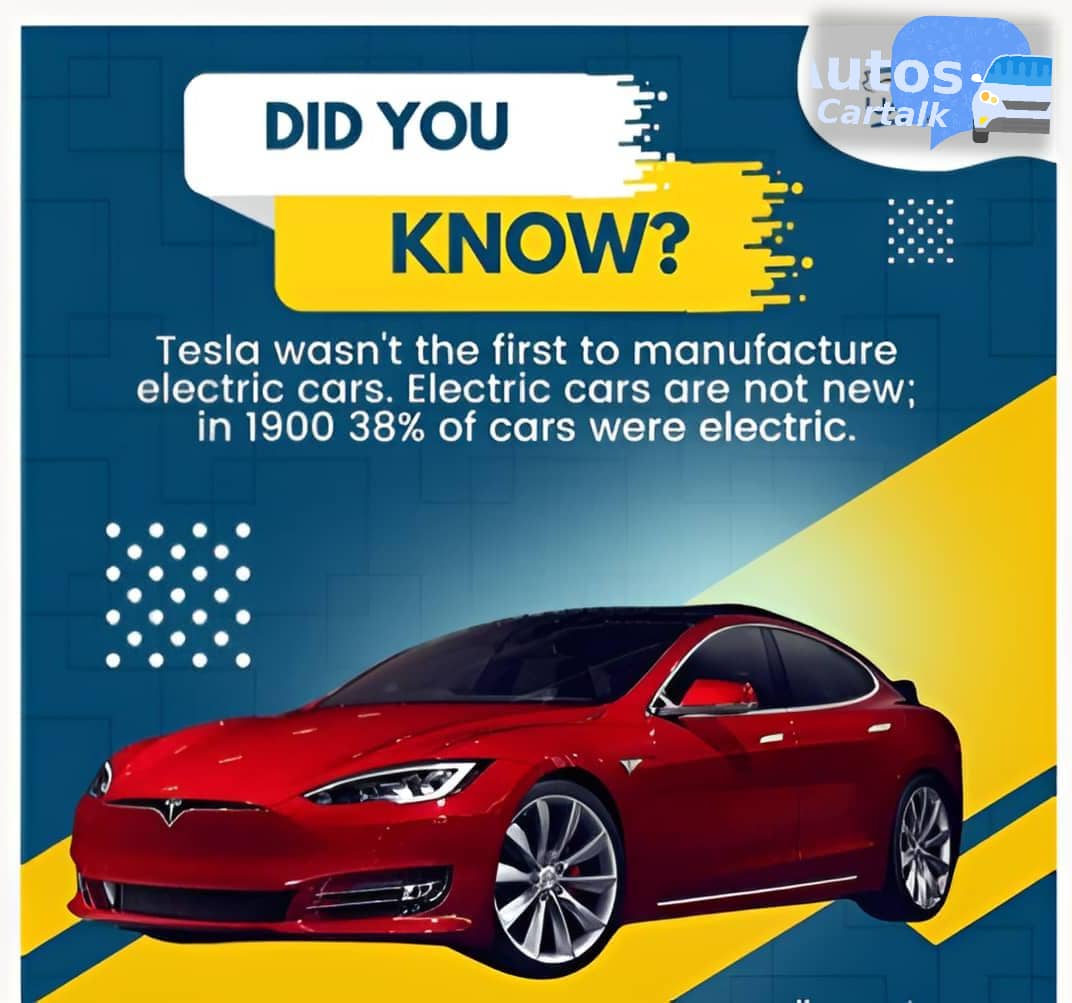
In 1900, electric vehicles (EVs) accounted for approximately 38% of all automobiles in the United States. At that time, EVs were more popular than gasoline-powered cars, which held only a 22% market share.
In 1900, American roads were shared by three main types of self-propelled vehicles:
Steam-powered (40%): The most common, but requires long startup times (up to 45 minutes) to build pressure.
Electric-powered (38%): Favoured for being clean, easy to start without a dangerous hand crank.
Gasoline-powered (22%): A distant third due to being noisy, smelly, and difficult to operate.
Why Electric Cars Were Popular
Early electric cars, such as those from Baker Electric and Detroit Electric, were particularly successful in cities. They were marketed as luxury vehicles, especially to women and urban professionals, because they didn't require gear changes or hand-cranking—a process that could cause serious injury if the engine "kicked back".
The Decline of Early EVs
The dominance of electric cars faded by the 1920s due to several key factors:
The Ford Model T: Mass production made gasoline cars significantly cheaper (e.g., $650 for a Model T vs. $1,750 for an electric roadster in 1912).
The Electric Starter: Invented in 1912, it eliminated the need for manual hand-cranking, removing one of the biggest advantages of electric cars.
Better Infrastructure: As roads improved and expanded into rural areas that lacked electricity, the limited 30–50 mile range of early EVs became a major drawback compared to the longer range of gas-powered cars.
Subscribe to our blog updates for FREE!


Click HERE if you want to post comment as Anonymous
Then leave Name and Email blank since you are posting comment as anonymous.